


Rats Keep Coming Back?
The Problem Might Originate Underground or Next Door
Discovering rats in your home or garden can be upsetting. Many homeowners feel embarrassed or worry that they have somehow caused the problem. In reality, most of the most persistent infestations we investigate are caused by hidden structural defects, drainage issues or neighbouring access routes that are completely outside the homeowner’s control.
You’ve sealed gaps, tidied the garden and perhaps even paid for pest control treatment, yet the rats keep returning.
If this sounds familiar, the problem may not actually be coming from your property at all.
At iX5 Pest Control, we regularly investigate rat infestations where the source is a neighbouring property, defective drainage, or structural routes that allow rats to move between adjoining homes. This is particularly common in older terraced and semi-detached properties or where building extension work has been carried out.
If you are currently dealing with rat activity, our Rat Pest Control page explains how we investigate infestations, identify entry routes and implement effective control measures.
Understanding how rats are gaining access is the difference between a temporary fix and a long-term solution.
Why Rats Are So Common in Residential Areas
The brown rat (Rattus norvegicus) is the most common rat species found in the UK. Urban rat populations are commonly associated with sewer systems, which provide warmth, shelter, food, water and protection from predators. However, rats can also establish themselves in burrows, overgrown gardens, compost heaps, beneath sheds and decking, embankments and other sheltered locations.
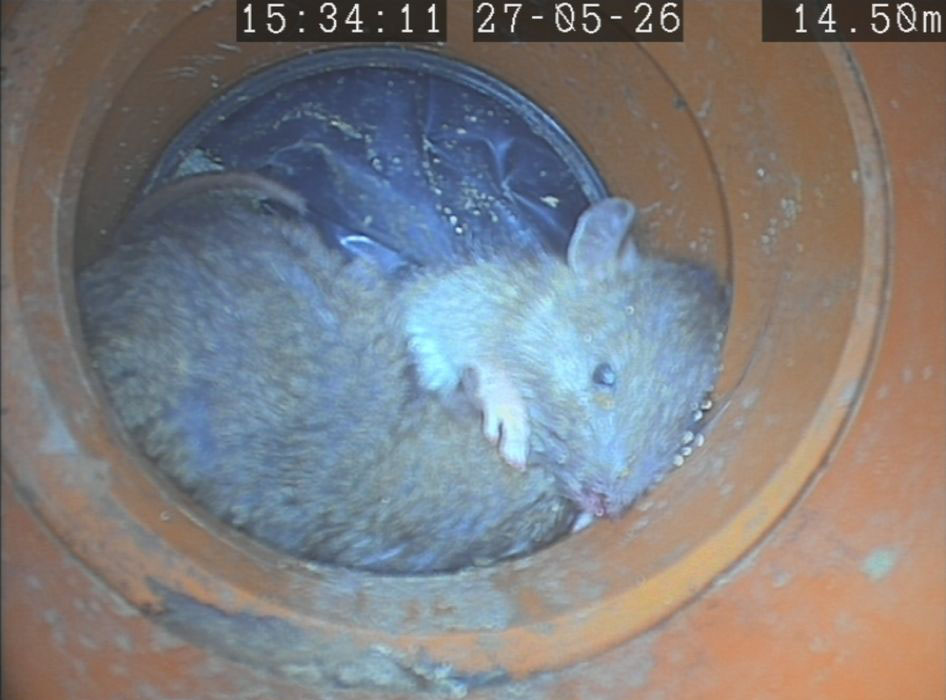
There are two primary routes into properties for rats. The first is overground through holes, gaps, airbricks and defects above ground, The second is out of the underground drainage network.
In many cases, infestations begin when rats find a route out of the sewer system and into buildings.
Defective Drains: The Most Common Cause of Rat Infestations
In our experience, defective drainage remains one of the leading causes of residential rat problems, with over 70% of the properties we visit for internal rat activity being attributed to drainage defects.
Over time, drains can crack, collapse or become displaced. However, we increasingly see problems caused during building and renovation work.
Common examples include:
- Extensions built over existing drainage runs
- Old redundant drains that have not been properly capped off
- Damaged inspection chambers or drains
- Poorly executed drainage alterations
- Temporary proofing or capping being left in place permanently
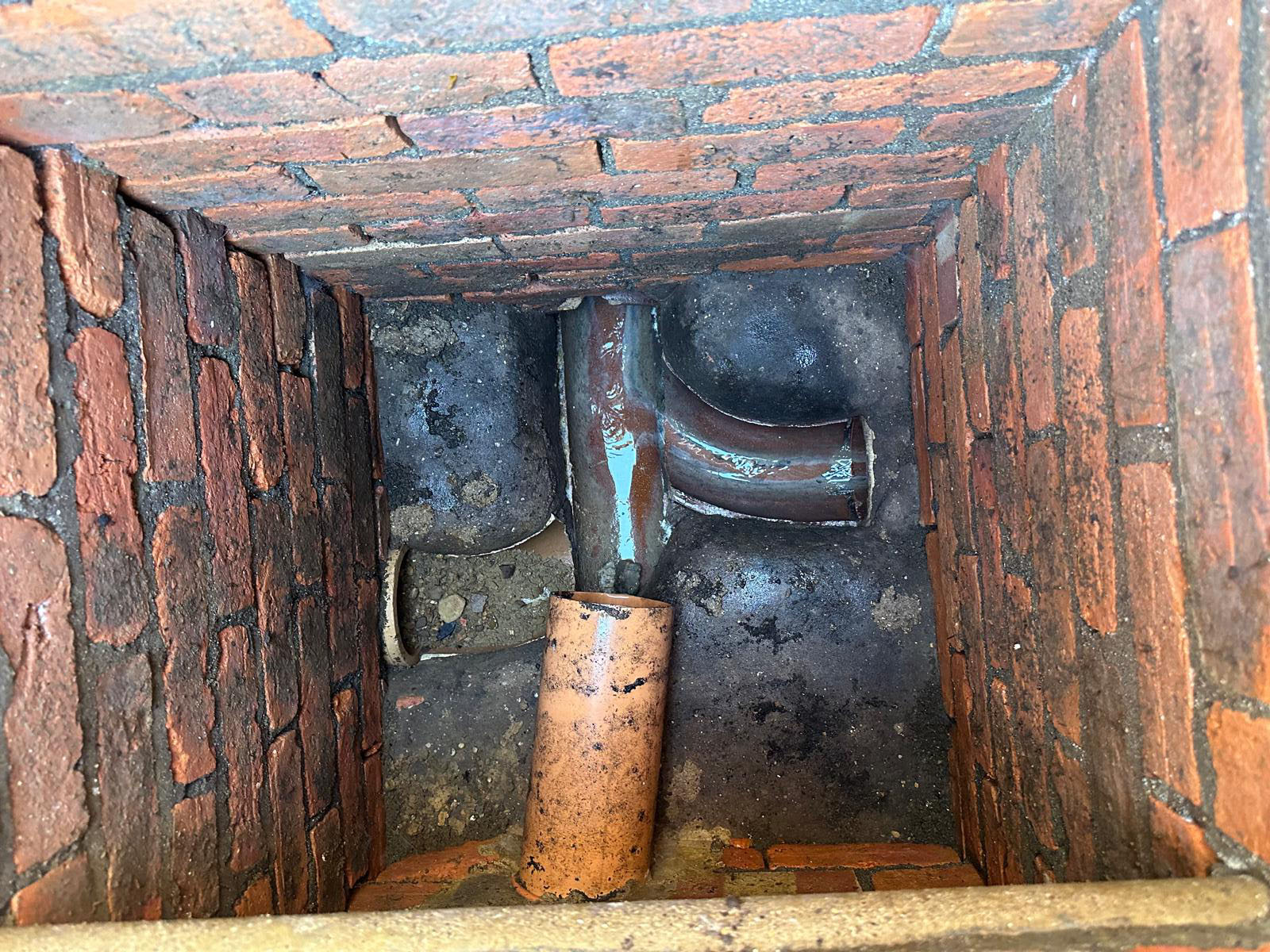
One recent investigation revealed an abandoned drain that had simply been stuffed with a black plastic bag before being covered over permanently.
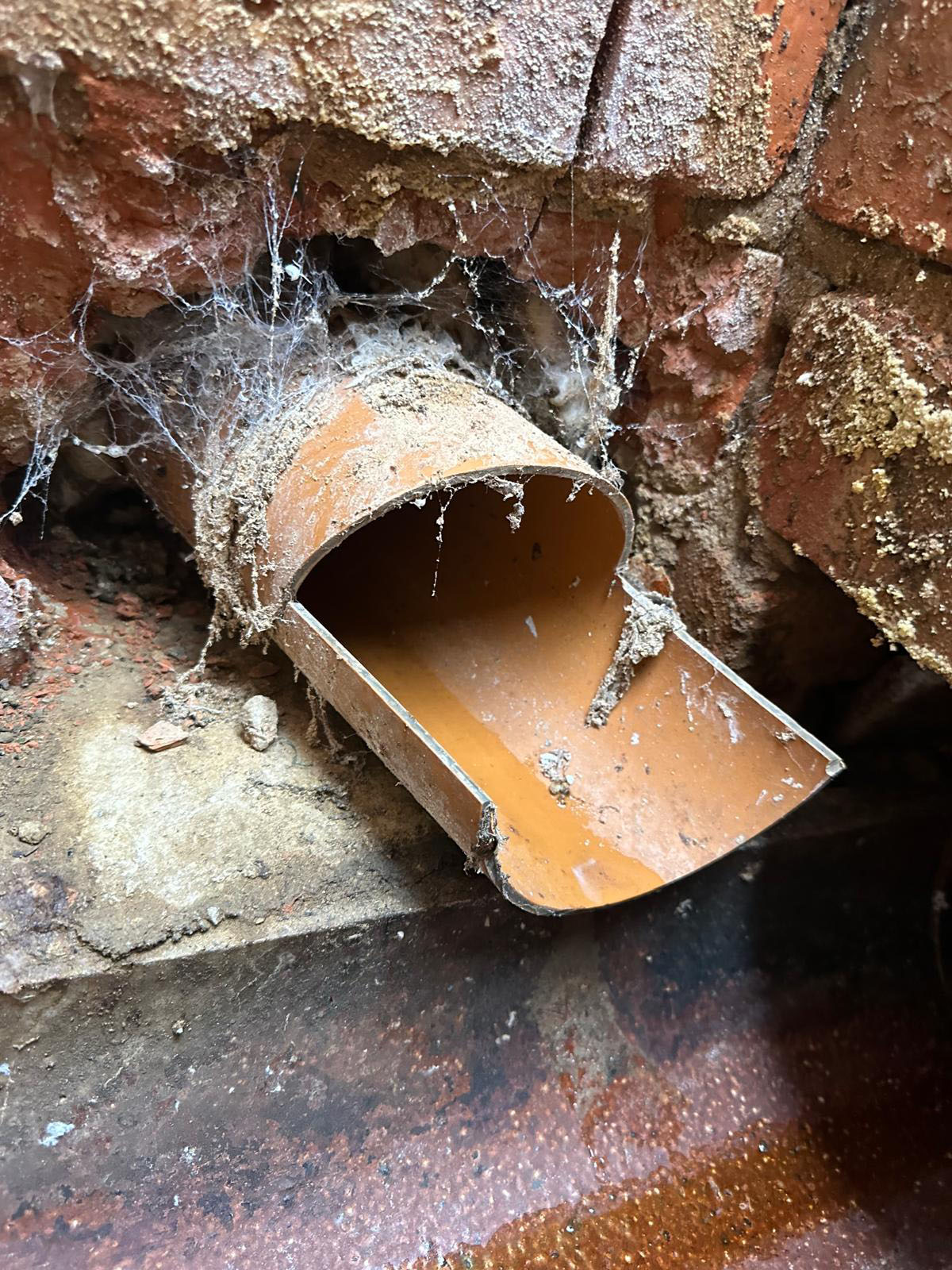
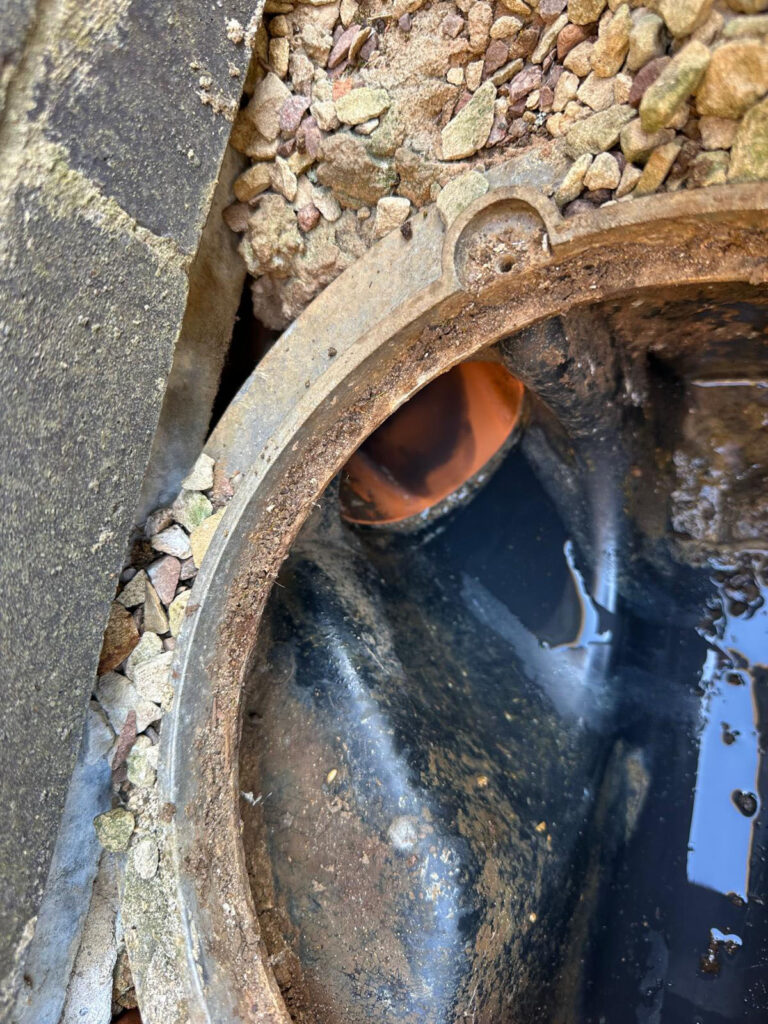
Unfortunately, rats are excellent gnawers. They can chew through plastic, timber, lead and even damage softer concrete and pipework over time. A plastic bag offers little resistance to an animal designed to survive in some of the harshest urban environments.
We often find that the homeowner experiencing the infestation had no involvement in the original building work and may not even be aware that an old drain exists beneath their property.
Once rats find an opening into a property, they will continue to use it, and because they leave a pheromone trail, other rats also then follow too.
Because drainage defects are such a common cause of rat infestations, we have also produced a dedicated article exploring the relationship between rats and drains, including how rats escape from damaged sewer systems and why recurring infestations often point to an underlying drainage problem.
The Hidden Challenge of Adjoining Properties
Many homeowners are surprised to learn that their own property may be completely secure while rats continue to enter via a neighbouring home.
This is particularly common in:
- Older semi-detached houses
- Terraced properties
- Converted buildings
- Properties with shared drainage systems
Where two homes share walls, floor voids, loft spaces or service routes, rats can travel between properties with remarkable ease.
You may invest in proofing work and successfully block every visible access point, only for rats to continue appearing because they are entering next door and crossing into your property through hidden structural voids.
This can be frustrating for homeowners because the source of the infestation is outside their direct control.
Many householders first suspect a problem next door when they repeatedly see rats externally along a shared boundary, or they notice internal activity concentrated on one side of their property, or find that treatments provide only temporary relief, whilst no obvious source exists.
Common Ways Rats Enter From Adjoining Properties
Many people assume that if they see a rat in their home or garden, the infestation must originate there. In reality, rats are highly mobile and can travel considerable distances in search of food, water and shelter.
Some of the most common routes we encounter include:
Shared Drainage Systems
Many neighbouring properties share sections of drainage infrastructure. If a defective drain exists beneath or adjacent to one property, rats may emerge there and then travel into neighbouring homes or gardens.
In some cases, the homeowner reporting the infestation is not actually where the rats are leaving the drainage system. They are simply the property where the activity has become visible.
Shared Loft Spaces
In some terraced and semi-detached properties, gaps around pipework, cables, service ducts, or just construction gaps can allow rats to move between roof spaces.
Suspended Timber Floors
Many older homes have suspended timber floors with sub-floor voids and air bricks. Rats can travel beneath floorboards, moving between adjoining properties without ever being seen.
Garden Boundaries
Rats readily use fences, dense vegetation, decking, retaining walls and garden structures to move between properties while remaining hidden from view.
Adjoining Garages and Outbuildings
Garages, sheds and outbuildings positioned against neighbouring structures can create sheltered travel routes and harbourage opportunities.
Utility Entry Points
Every pipe, cable and service entering a property creates a potential access point if it has not been sealed properly. We regularly find gaps around gas pipes, water services, electrical cables and telecommunications cables that provide rats with a route into buildings.
Cavity Walls
Adjoining properties will contain interconnected wall cavities. Once rats gain access, they can move vertically and horizontally through the building structure, sometimes emerging several houses away from the original entry point.
Attraction Versus Access: Understanding the Difference
One of the biggest misconceptions surrounding rat infestations is that food alone causes the problem.
Food sources can certainly attract rats. Common examples include:
- Bird feeders
- Fallen fruit
- Compost heaps
- Accessible refuse
- Pet food
- Chicken coops
However, attraction and access are not the same thing.
A neighbour feeding birds may attract rats into an area, but that does not automatically explain how they are entering properties.
For a recurring infestation to establish itself, rats typically require both a reason to visit and a means of access into a property. This is why identifying entry points and structural defects is often just as important as removing external food sources.
When investigating recurring infestations, we are often looking for the route the rats are using rather than simply focusing on what may be attracting them.
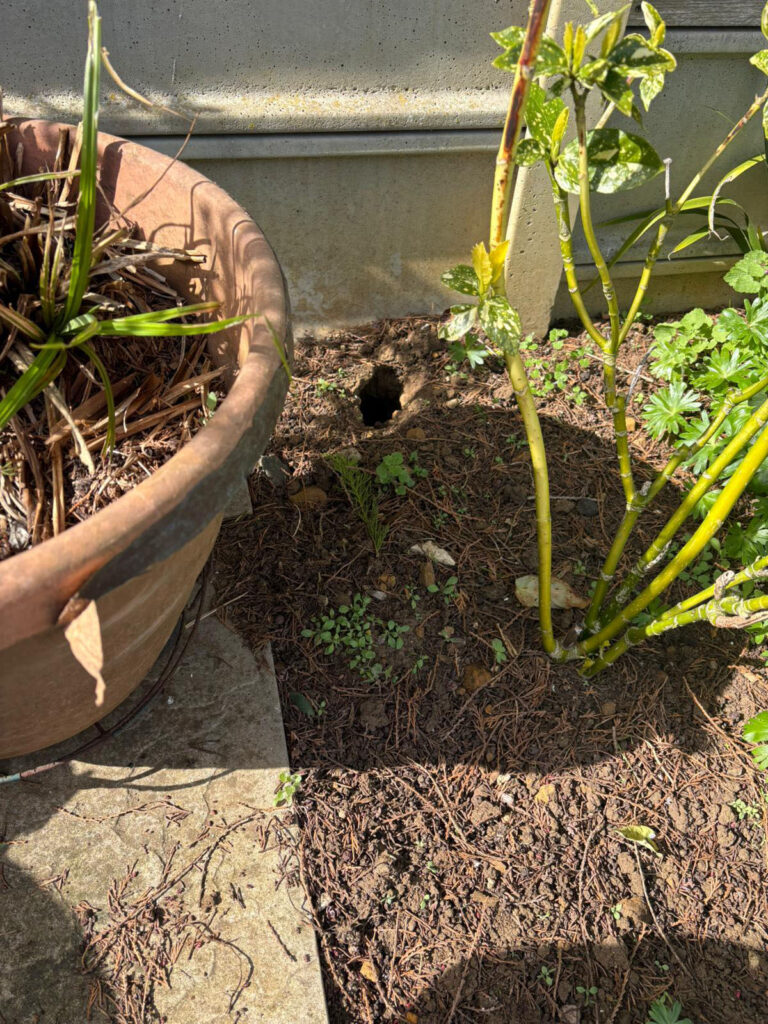
Signs the Problem May Be Coming from Next Door
While a professional inspection is often required, some warning signs suggest the source may lie beyond your own property.
These include:
- Intermittent activity
- Recurring activity after treatment
- Multiple neighbouring properties reporting activity
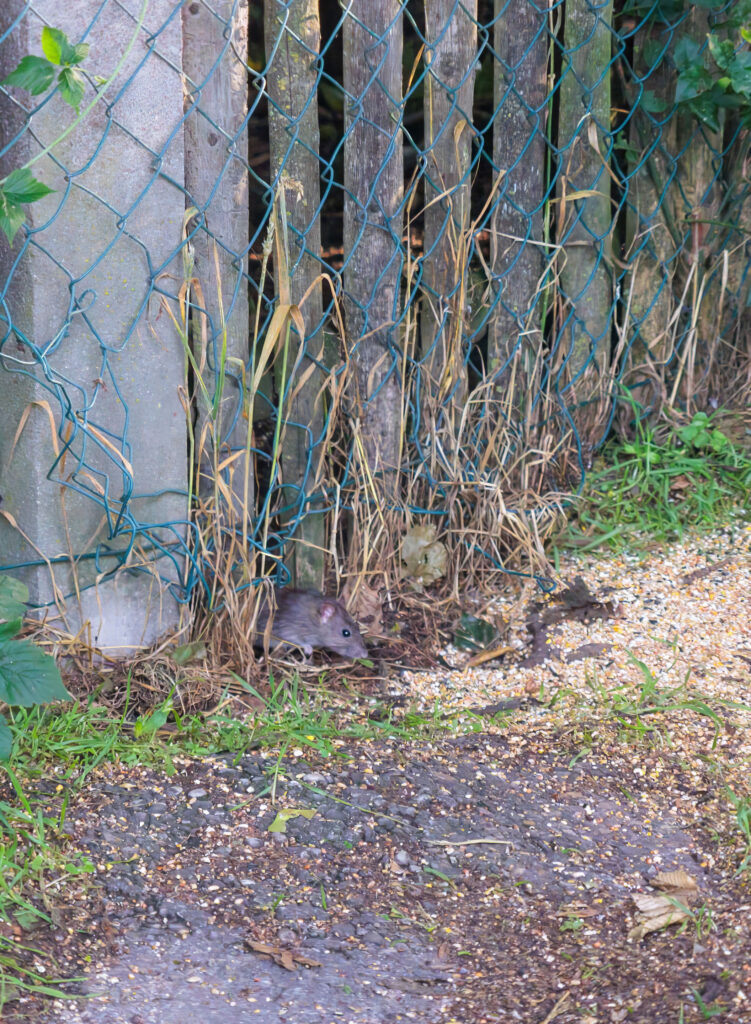
- Evidence of rats along shared boundaries
- Infestations concentrated on one side of the property
- Ongoing building work nearby
- Known drainage issues affecting neighbouring homes
If several houses in a row are experiencing problems, a shared drainage defect is often worth investigating.
Why Your Neighbour May Not Know They Have Rats
It is easy to assume a neighbouring property owner is ignoring the problem, but that is not always the case.
Many infestations remain hidden for long periods.
For example:
- Rats may only be active within drainage systems
- Activity may be confined to wall cavities or floor voids
- The property may be empty or rarely occupied
- A resident may not have noticed the signs of activity
- A landlord may be unaware of an issue reported by tenants
- Recent building works may have unintentionally created access routes
We regularly encounter situations where a neighbour is completely unaware there is a problem until activity becomes visible elsewhere.
Approaching the situation cooperatively often achieves far better results than assigning blame.
What Can Homeowners Do?
Check for Obvious Entry Points
Inspect your property for:
- Gaps around pipes and utilities
- Damaged air bricks
- Broken drain covers
- Missing drain caps
- Holes beneath decking around a building
- Gaps beneath extensions
A rat can squeeze through an opening as small as approximately 15-20mm, meaning even relatively minor defects can provide access.
Speak to Your Neighbour
It may feel awkward, but a friendly conversation can often identify the cause much faster.
Your neighbour may already be aware of:
- Drainage issues
- Ongoing building works
- Previous rat activity
- Structural defects
Approaching the situation collaboratively usually achieves far better results than assigning blame.
Arrange a Professional Inspection
Simply treating rats without identifying the source often leads to repeated infestations.
A professional pest control survey can help identify:
- Likely entry routes
- Proofing requirements
- Structural vulnerabilities
- Signs of drainage defects
- Whether further drainage investigations are needed
Consider a Drain Survey
Where a recurring infestation is suspected to originate from the sewer network, a CCTV drain survey can often reveal defects hidden underground.
In our experience, identifying and repairing the defect is usually far more effective than repeatedly treating the same infestation year after year.
Invest in Proofing
Proofing remains one of the most effective long-term solutions.
This may include:
- Sealing structural gaps
- Installing rodent-resistant mesh
- Securing air bricks
- Protecting service entry points
- Improving drainage access covers
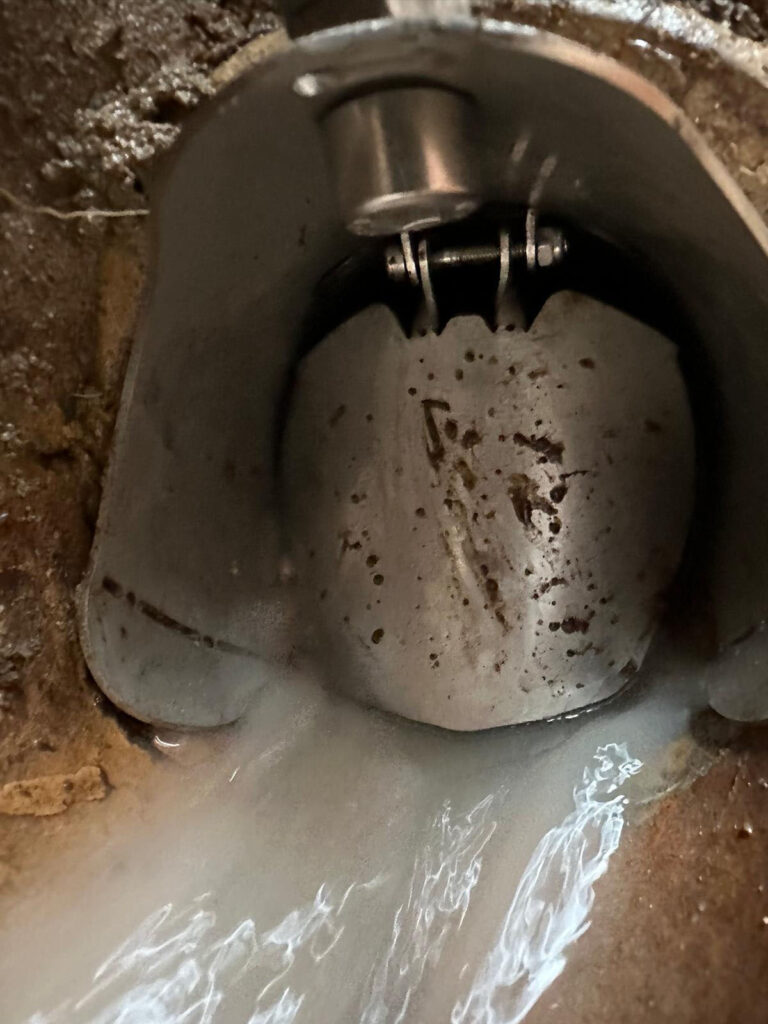
If you would like to learn more about preventing rodents from gaining access to your property, our detailed guide to rodent proofing explains the most common entry points and practical measures homeowners can take to reduce the risk of future infestations.
However, proofing has its limitations. If rats are entering through a neighbouring property, a shared cavity wall or a defective drain, proofing work alone may not completely solve the problem.
The most successful outcomes usually involve identifying and addressing the source of the infestation as well as the access points being used.
What If the Problem Is Coming From a Neighbouring Property?
This is one of the most common questions homeowners ask.
Unfortunately, you cannot force access to a neighbouring property yourself. However, there may still be options available.
Depending on the circumstances:
- Local authority Environmental Health teams may investigate significant infestations, where sufficient evidence exists
- Housing associations and social landlords often have pest management procedures in place
- Property owners may be responsible for repairing defective drains within their boundary
- Some drainage issues may be the responsibility of the local water company
The appropriate course of action will depend on the specific circumstances, which is why professional advice is often valuable when dealing with recurring infestations.
Why Rat Treatments Sometimes Fail
One of the biggest misconceptions is that resolving the current activity solves the problem.
Treatment removes the current population, but unless the access route is identified and eliminated, new rats can simply replace those that have been removed.
Think of it like fixing a leak. Mopping up the water is important, but unless you repair the pipe, the problem will return.
This is particularly true where infestations originate from defective drains, shared structural voids or neighbouring properties. Unless the source is addressed, the conditions that allowed the infestation to develop remain unchanged.
We recently investigated a property where repeated treatments failed to resolve the issue because the underlying cause had not been properly identified. You can read the full story in our case study, The Rat Problem That Wouldn’t Go Away Until It Was Properly Understood. It perfectly illustrates why understanding how rats are accessing a property is often more important than simply treating the visible activity.
Frequently Asked Questions
Most frequent questions and answers
Can rats enter my home from my neighbour's property?
Yes. Rats can travel through shared drains, wall cavities, loft spaces, floor voids, utility entry points and garden boundaries. In many older properties, these routes may not be immediately obvious to homeowners.
Can rats travel between semi-detached houses?
Yes. Rats can move through shared structural voids, drainage systems, cavity walls, loft spaces and external access routes. This is one reason why infestations sometimes affect one property even though the original source lies elsewhere.
Why do rats keep coming back after treatment?
If the underlying access route has not been identified and addressed, new rats can simply replace those that have been removed. This is why long-term rat control often requires investigation, proofing and repairs alongside treatment.
Can I get rid of rats if my neighbour still has them?
In some cases, yes. However, recurring infestations are often linked to a shared source, such as defective drainage or structural access routes. Identifying and addressing the original source usually provides the best long-term outcome.
Who is responsible if rats are coming from next door?
Responsibility depends on where the infestation originates and whether drainage defects, structural issues or property maintenance problems are involved. A professional inspection can help determine the likely source and identify the most appropriate course of action.
Need Help Identifying Where Rats Are Coming From?
If rats keep returning despite previous treatments, there is a good chance the root cause lies elsewhere.
Working with iX5 Pest Control
At iX5 Pest Control, we investigate the root cause of infestations rather than simply treating the symptoms. In many cases, the rats themselves are only part of the problem. Identifying how they are getting in and why they are there in the first place is often the difference between repeatedly treating the same infestation and solving the problem for good.
Whether the issue involves defective drainage, poor proofing, adjoining properties or structural access routes, our experienced team can help identify the source and recommend practical long-term solutions.